
January 15, 2026 · 7 min read
The Birthplace of Coffee: Ethiopia's Highland Heritage

Ethiopia is the birthplace of coffee. The story begins in the ancient forests of the Ethiopian highlands, where legend tells of a goat herder named Kaldi who discovered coffee around the 9th century. But the country's deep relationship with coffee stretches back even further — archaeological and botanical evidence suggests that coffee has been cultivated and consumed in Ethiopia since at least the 14th century, making it one of the oldest coffee cultures in the world.
What makes Ethiopian coffee truly exceptional is the unique combination of geography and climate. The moderate tropical climate, with its distinct wet and dry seasons, provides the perfect growing rhythm for coffee plants. The fertile volcanic soil — rich in minerals and organic matter — delivers the nutrients that produce dense, flavor-packed beans. But the real secret lies in altitude.
Ethiopia's coffee-growing regions sit at elevations that most other origins can only dream of. The Sidama region, one of Ethiopia's most celebrated coffee zones, grows its beans at altitudes between 4,900 and 7,200 feet above sea level. This elevation creates cooler temperatures that slow the maturation of the coffee cherry, allowing more complex sugars and acids to develop within the bean. The result is Sidama's signature bright citrus acidity, sweet caramel undertones, and floral aroma.
The Guji zone, located in the southern Oromia region, produces coffee at even more extreme elevations — typically between 6,500 and 7,500 feet above sea level. The highland effect here is profound: the thin mountain air, wide temperature swings between day and night, and pristine growing conditions produce beans with extraordinary clarity. Guji coffees are known for their vibrant berry notes, honey-like sweetness, and a clean, lingering finish that showcases the terroir of these remote mountains.
Yirgacheffe, perhaps the most famous name in Ethiopian coffee, grows its beans at 5,500 to 7,200 feet above sea level. Nestled within the broader Sidama zone, Yirgacheffe has earned its own designation due to the distinctive character of its coffees. The combination of altitude, microclimate, and traditional processing methods produces a cup celebrated worldwide for its floral jasmine aroma, bright bergamot citrus, and tea-like elegance.
Coffee in Ethiopia is not simply an agricultural product — it is a generational culture. Ethiopian farming families have inherited their coffee knowledge from their forefathers, passing down techniques for planting, harvesting, and processing that have been refined over centuries. The traditional Ethiopian coffee ceremony, a ritual that can last hours and involves roasting green beans over charcoal, grinding by hand, and brewing in a clay jebena pot, is a daily practice in homes across the country. It is a symbol of community, hospitality, and the deep respect Ethiopians hold for this remarkable plant.
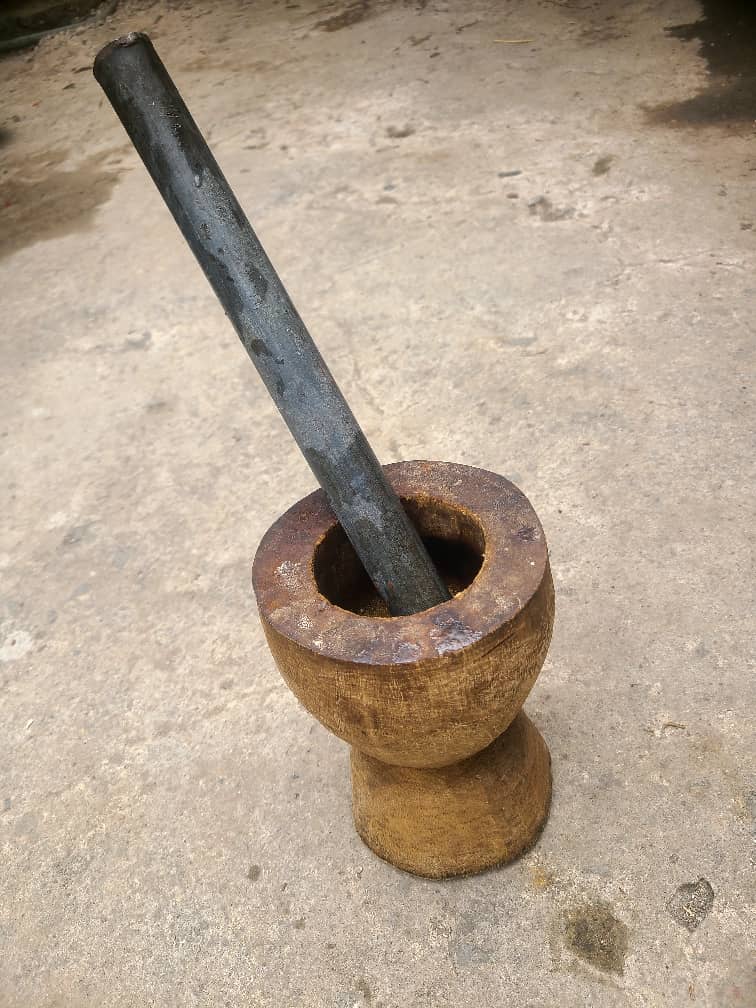
Traditional Ethiopian coffee mortar and pestle (mukecha) — used for generations to hand-grind roasted beans during the coffee ceremony
As the country that gave coffee to the world, Ethiopia remains home to thousands of wild coffee varieties — a genetic diversity found nowhere else on Earth. When you drink Ethiopian coffee, you're not just tasting a beverage. You're experiencing the heritage of the very first coffee forests, the craft of generations of farming families, and the unique terroir of Africa's great highlands.